How to Stop Spiralling - Break the cycle of triggers, trauma resp...
About How to Stop Spiralling - Break the cycle of triggers, trauma resp...
Overview
How to Stop Spiralling: Break the cycle of triggers, trauma responses and self-sabotage https://WebToolTip.com English | 2026 | ISBN: 1761561324 | 288 pages | True EPUB | 4 MB 'The consequences of big trauma often show up in the smallest cracks of daily life. In how tightly we grip. In how quickly we snap. In how deeply we fear letting go.' As children, we make choices that keep us safe in unsafe circumstances. As we grow, these learned responses start to limit us, inhibiting our ability to live
Frequently Asked Questions
How do I download How to Stop Spiralling - Break the cycle of triggers, trauma resp...?
Click the magnet or torrent download button on this page to start downloading How to Stop Spiralling - Break the cycle of triggers, trauma resp.... A BitTorrent client is required.
What is the file size of How to Stop Spiralling - Break the cycle of triggers, trauma resp...?
The total size of How to Stop Spiralling - Break the cycle of triggers, trauma resp... is 4.0 MB.
How many seeders are available for How to Stop Spiralling - Break the cycle of triggers, trauma resp...?
How to Stop Spiralling - Break the cycle of triggers, trauma resp... currently has 19776 seeders, which affects download speed.
What category is How to Stop Spiralling - Break the cycle of triggers, trauma resp... in?
How to Stop Spiralling - Break the cycle of triggers, trauma resp... is listed under Other on 1337x.
How to Stop Spiralling: Break the cycle of triggers, trauma responses and self-sabotage
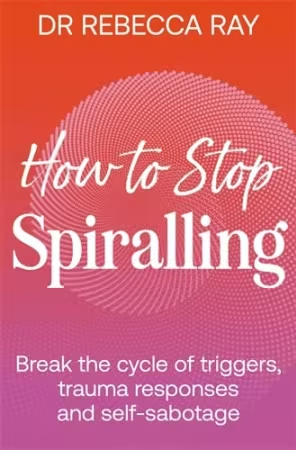
https://WebToolTip.com
English | 2026 | ISBN: 1761561324 | 288 pages | True EPUB | 4 MB
'The consequences of big trauma often show up in the smallest cracks of daily life. In how tightly we grip. In how quickly we snap. In how deeply we fear letting go.'
As children, we make choices that keep us safe in unsafe circumstances. As we grow, these learned responses start to limit us, inhibiting our ability to live the lives we crave. We may find ourselves