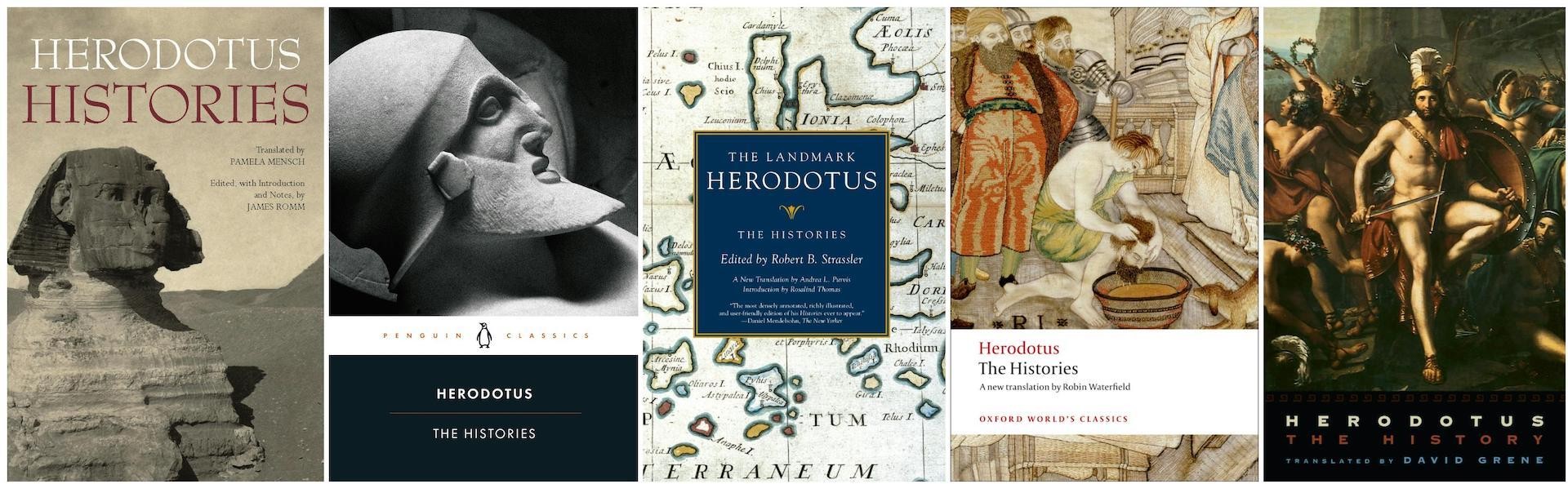
Herodotus - Collected Works on Ancient Greece (15 books)
About Herodotus - Collected Works on Ancient Greece (15 books)
Overview
* Herodotus - Collected Works on Ancient Greece (15 books) HERODOTUS (c. 484–425 BCE) is widely celebrated as the "Father of History," a title first conferred by the Roman orator Cicero. Born in Halicarnassus (modern-day Bodrum, Turkey) within the Persian Empire, he was a traveler, researcher, and storyteller who revolutionized how the past was recorded. Unlike his predecessors who often attributed events to the whims of gods, Herodotus sought rational, human-centric explanations for historical
Frequently Asked Questions
How do I download Herodotus - Collected Works on Ancient Greece (15 books)?
Click the magnet or torrent download button on this page to start downloading Herodotus - Collected Works on Ancient Greece (15 books). A BitTorrent client is required.
What is the file size of Herodotus - Collected Works on Ancient Greece (15 books)?
The total size of Herodotus - Collected Works on Ancient Greece (15 books) is 122.6 MB.
How many seeders are available for Herodotus - Collected Works on Ancient Greece (15 books)?
Herodotus - Collected Works on Ancient Greece (15 books) currently has 22977 seeders, which affects download speed.
What category is Herodotus - Collected Works on Ancient Greece (15 books) in?
Herodotus - Collected Works on Ancient Greece (15 books) is listed under Other on 1337x.

* Herodotus - Collected Works on Ancient Greece (15 books)
HERODOTUS (c. 484–425 BCE) is widely celebrated as the "Father of History," a title first conferred by the Roman orator Cicero. Born in Halicarnassus (modern-day Bodrum, Turkey) within the Persian Empire, he was a traveler, researcher, and storyteller who revolutionized how the past was recorded. Unlike his predecessors who often attributed events to the whims of gods, Herodotus sought rational, human-centric explanations for historical change, establishing the foundation for Western historiography.
His magnum opus, and only surviving work, is known as THE HISTORIES and is considered the founding work of history in Western literature. It stands as one of the earliest accounts of the rise of the Persian Empire, as well as the events and causes of the Greco-Persian Wars (499–479 BCE), which Herodotus portrays as one between the forces of slavery (the Persians) on the one hand, and freedom (the Athenians and the confederacy of Greek city-states which united against the invaders) on the other.
The structure of THE HISTORIES is famously expansive, filled with long "digressions" on geography, ethnography, and natural wonders. The first five books trace the expansion of Persia under kings like Cyrus and Darius, providing detailed accounts of civilizations like Egypt, Babylon, and Scythia. The final four books focus on the massive invasion of Greece by Xerxes, immortalizing iconic battles such as Marathon, Thermopylae, and Salamis. Through these accounts, Herodotus sought to ensure that the "great and marvelous deeds" of both Greeks and non-Greeks would not be forgotten.
A defining feature of Herodotus’s writing is his investigative methodology, which he termed "autopsy" (seeing for oneself). He traveled extensively through Egypt, North Africa, and Asia Minor, collecting oral histories and eyewitness testimonies. Although some contemporaries like Thucydides criticized him for including "legends" or "fanciful accounts," modern archaeology has frequently validated many of his once-disbelieved claims, such as his descriptions of ancient Egyptian cities and burial customs.
Ultimately, Herodotus used history as a tool to explore universal moral themes like hubris (excessive pride) and the instability of human fortune. He believed that great powers inevitably fall when their leaders overreach, a lesson he illustrated through the tragic downfall of kings like Croesus and Xerxes. By blending detailed reporting with philosophical reflection, Herodotus created a "total history" that remains an essential source for understanding the ancient world's political and cultural landscape.
The following books are ePUB and/or PDF as noted:
* Complete Works (Delphi Classics, 2013) – ePUB
* Histories [tr. Blanco] (Norton Critical Edition, 1992) – PDF
* Histories [tr. Holland] (Penguin, 2015) – ePUB
* Histories [tr. Macaulay, rev'd Lateiner] (Barnes & Noble, 2004) – ePUB
* Histories [tr. Mensch] (Hackett, 2014) – ePUB / PDF
* Histories [tr. Rawlinson] (Everyman's Library, 2015) – ePUB
* Histories [tr. Sélincourt, rev'd Marincola] (Penguin, 2003) – ePUB
* Histories [tr. Waterfield] (Oxford, 2008) – ePUB
* Histories, Book V [ed. Hornblower] (Cambridge, 2013) – ePUB / PDF
* Histories, Book V [tr. Rhodes] (Liverpool, 2019) – PDF
* The History [tr. Grene] (Chicago, 2010) – ePUB
* The Landmark Herodotus: The Histories [ed. Strassler] (Pantheon, 2009) – ePUB
* On the War for Greek Freedom [tr. Shirley] (Hackett, 2003) – PDF
* Snakes with Wings and Gold-digging Ants [tr. Sélincourt, rev'd Marincola] (Penguin, 2007) – ePUB
* Xerxes Invades Greece [tr. Sélincourt, rev'd Marincola] (Penguin, 2006) – ePUB
Please seed and share with others. 🙂