Chess Crime and Punishment - CM Can Kabadayi
Downloads: 31482
Last checked: Mar. 14th '26
Date uploaded: Mar. 14th '26
Seeders: 21048
Leechers: 11139
INFO HASH: 7606AEE75074C4D0A612182F27EC69BDCE5082FD
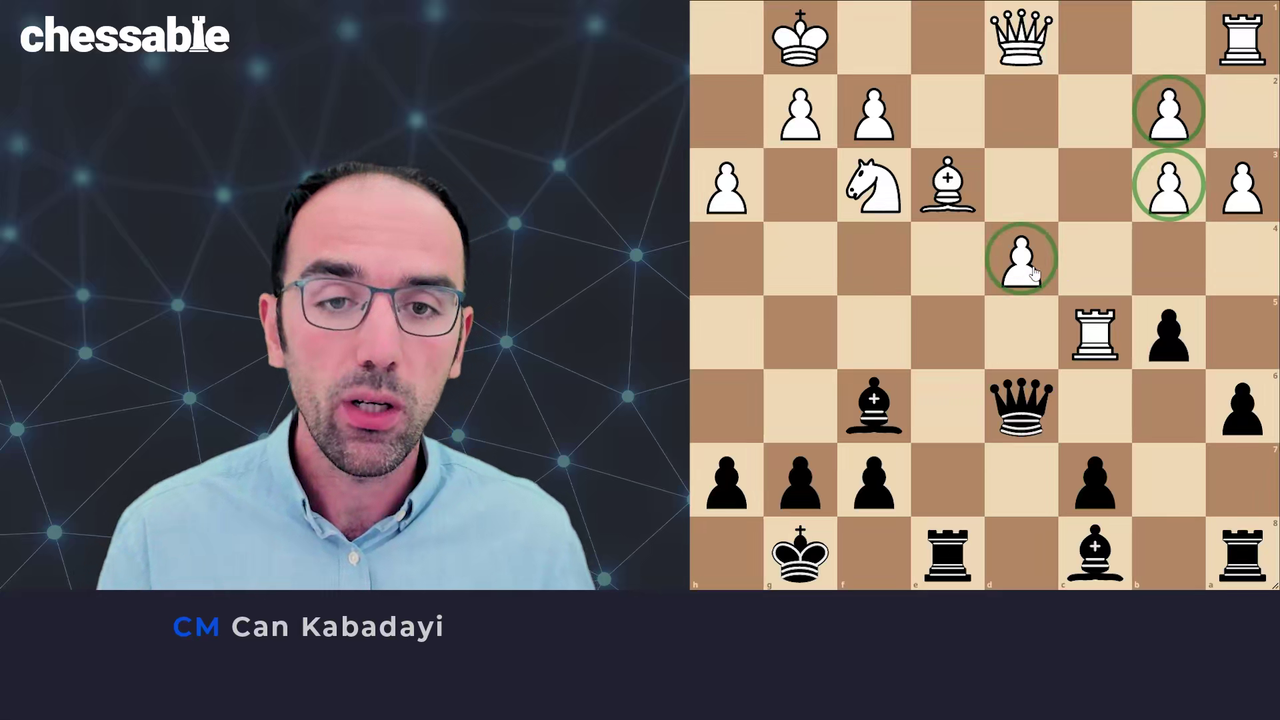
Strategy course by CM Can Kabadayi
Includes video and PGN
Language: English
Lectures: 5
Total Running Time: 5 hours 26 minutes
From the course:
Free your pieces from the shackles of inaccuracies
Chess is an unforgiving game. The slightest inaccuracy will often be punished, causing you to lose any advantage you have.
Have you ever stopped to ask yourself, "what am I doing to allow my opponents to punish me?"
Simply put, the mistakes you are making, or your chess crimes, are causing you to lose. The first step is to recognize your crimes, which many players are unaware of. If you don't know the mistakes you are making, you are bound to keep getting punished.
Chess Crime & Punishment by CM Can Kabadayi examines the typical mistakes, or "chess crimes" that novice to intermediate players (1000-1700 Elo) often make, and what players can do to stop getting "punished" by such chess crimes. Not only that, it shows what players can do to punish the crimes committed by their opponents.
What you'll get by studying this course:
♙ Improve your piece play, by not burying your pieces behind pawn chains, relegating them to defending irrelevant pawns, and not trading off your best pieces.
♙ Stop playing with a passive mindset and treat the position objectively, rather than reacting to imaginary threats.
♙ Avoid closing the position when it should be opened and vice versa and recognize thematic middlegame pawn breaks.
♙ Understand the crucial concepts of development and time, e.g. how flank pawn pushes (a3 or h3) in the opening often waste time and put you behind in development.
♙ Dedicated chapters with puzzles, one on how to avoid chess crimes and one on how to punish them.
Crafted by an experienced chess coach and Chessable author
CM Can Kabadayi, an experienced chess coach, has decided to create Chess Crime and Punishment, his so-called "master's thesis" based on the mistakes he has observed his students make. He noticed that these errors were more often than not logical/strategic errors rather than analytical/calculation mistakes.