WHAT WENT WRONG WITH CAPITALISM by Ruchir Sharma (epub)(Nonfictio...
About WHAT WENT WRONG WITH CAPITALISM by Ruchir Sharma (epub)(Nonfictio...
Overview
What Went Wrong with Capitalism by Ruchir Sharma (ePub) (Nonfiction) Author: Ruchir Sharma Publication Date: June 11, 2024 Length: 384 pages Genre: Nonfiction, Economics, Political Economy What Went Wrong with Capitalism explores the disillusionment with modern capitalism, arguing that its failings are largely due to an expanded role of government in advanced economies, which has distorted free-market ideals into what Sharma terms “socialized risk.” The book examines how increased spending, regu
Frequently Asked Questions
How do I download WHAT WENT WRONG WITH CAPITALISM by Ruchir Sharma (epub)(Nonfictio...?
Click the magnet or torrent download button on this page to start downloading WHAT WENT WRONG WITH CAPITALISM by Ruchir Sharma (epub)(Nonfictio.... A BitTorrent client is required.
What is the file size of WHAT WENT WRONG WITH CAPITALISM by Ruchir Sharma (epub)(Nonfictio...?
The total size of WHAT WENT WRONG WITH CAPITALISM by Ruchir Sharma (epub)(Nonfictio... is 8.2 MB.
How many seeders are available for WHAT WENT WRONG WITH CAPITALISM by Ruchir Sharma (epub)(Nonfictio...?
WHAT WENT WRONG WITH CAPITALISM by Ruchir Sharma (epub)(Nonfictio... currently has 28 seeders, which affects download speed.
What category is WHAT WENT WRONG WITH CAPITALISM by Ruchir Sharma (epub)(Nonfictio... in?
WHAT WENT WRONG WITH CAPITALISM by Ruchir Sharma (epub)(Nonfictio... is listed under Other on 1337x.
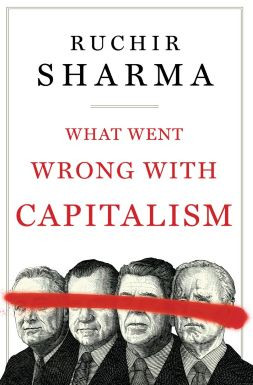
What Went Wrong with Capitalism by Ruchir Sharma (ePub) (Nonfiction)
Author: Ruchir Sharma
Publication Date: June 11, 2024
Length: 384 pages
Genre: Nonfiction, Economics, Political Economy
What Went Wrong with Capitalism explores the disillusionment with modern capitalism, arguing that its failings are largely due to an expanded role of government in advanced economies, which has distorted free-market ideals into what Sharma terms “socialized risk.” The book examines how increased spending, regulation, and bailouts have inflated government influence, slowing productivity and economic growth, shrinking opportunities, and fueling popular anger. Contrary to the pervasive narrative that markets are undermined by too little government, Sharma contends that government overreach has created a dysfunctional version of capitalism, favoring welfare, entitlements, and rescues for all classes but reducing dynamism and competition. He proposes a series of seven fixes aimed at rebalancing government support with market incentives to restore prosperity and societal well-being.