PEAK HUMAN by Johan Norberg (epub)(Nonfiction)
About PEAK HUMAN by Johan Norberg (epub)(Nonfiction)
Overview
PEAK HUMAN by Johan Norberg (ePub)(Nonfiction) Author: Johan Norberg Publication Date: May 1, 2025 Length: Approximately 400 pages Genre: Nonfiction, History, Cultural Studies, Economics Norberg examines pivotal civilizations like ancient Athens, the Roman Republic, Abbasid Baghdad, Song China, Renaissance Italy, the Dutch Republic, and the Anglosphere, highlighting how factors like meritocracy, free trade, intellectual tolerance, and immigration fueled their peaks. He contrasts these with their
Frequently Asked Questions
How do I download PEAK HUMAN by Johan Norberg (epub)(Nonfiction)?
Click the magnet or torrent download button on this page to start downloading PEAK HUMAN by Johan Norberg (epub)(Nonfiction). A BitTorrent client is required.
What is the file size of PEAK HUMAN by Johan Norberg (epub)(Nonfiction)?
The total size of PEAK HUMAN by Johan Norberg (epub)(Nonfiction) is 1.4 MB.
How many seeders are available for PEAK HUMAN by Johan Norberg (epub)(Nonfiction)?
PEAK HUMAN by Johan Norberg (epub)(Nonfiction) currently has 19 seeders, which affects download speed.
What category is PEAK HUMAN by Johan Norberg (epub)(Nonfiction) in?
PEAK HUMAN by Johan Norberg (epub)(Nonfiction) is listed under Other on 1337x.
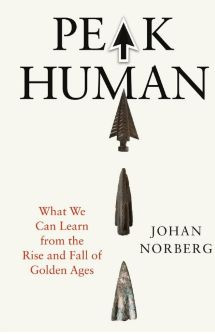
PEAK HUMAN by Johan Norberg (ePub)(Nonfiction)
Author: Johan Norberg
Publication Date: May 1, 2025
Length: Approximately 400 pages
Genre: Nonfiction, History, Cultural Studies, Economics
Norberg examines pivotal civilizations like ancient Athens, the Roman Republic, Abbasid Baghdad, Song China, Renaissance Italy, the Dutch Republic, and the Anglosphere, highlighting how factors like meritocracy, free trade, intellectual tolerance, and immigration fueled their peaks. He contrasts these with their downfalls, often triggered by protectionism, dogma, or external invasions, using fresh details to puncture misconceptions (e.g., the Abbasid caliphate's tolerance vs. modern extremism). The book is both historical narrative and cautionary tale, suggesting that our globalized age could endure if we embrace openness amid rising nationalism and digital overload.