KICKING AWAY THE LADDER by Ha-Joon Chang (epub)(Nonfiction)
About KICKING AWAY THE LADDER by Ha-Joon Chang (epub)(Nonfiction)
Overview
KICKING AWAY THE LADDER by Ha-Joon Chang (epub)(Nonfiction) Author: Ha-Joon Chang Publication Date: July 1, 2002 Length: 196 pages Genre: Nonfiction, Economics, Development Studies, Political Economy In this provocative work, Chang challenges neoliberal orthodoxy by examining how now-rich countries like the UK, US, and Japan industrialized through tariffs, subsidies, and intellectual property theft—policies they now deny to poorer nations via institutions like the IMF and WTO. Using historical e
Frequently Asked Questions
How do I download KICKING AWAY THE LADDER by Ha-Joon Chang (epub)(Nonfiction)?
Click the magnet or torrent download button on this page to start downloading KICKING AWAY THE LADDER by Ha-Joon Chang (epub)(Nonfiction). A BitTorrent client is required.
What is the file size of KICKING AWAY THE LADDER by Ha-Joon Chang (epub)(Nonfiction)?
The total size of KICKING AWAY THE LADDER by Ha-Joon Chang (epub)(Nonfiction) is 601.8 KB.
How many seeders are available for KICKING AWAY THE LADDER by Ha-Joon Chang (epub)(Nonfiction)?
KICKING AWAY THE LADDER by Ha-Joon Chang (epub)(Nonfiction) currently has 18 seeders, which affects download speed.
What category is KICKING AWAY THE LADDER by Ha-Joon Chang (epub)(Nonfiction) in?
KICKING AWAY THE LADDER by Ha-Joon Chang (epub)(Nonfiction) is listed under Other on 1337x.
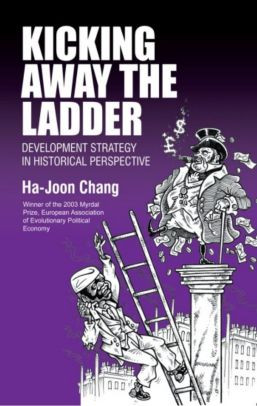
KICKING AWAY THE LADDER by Ha-Joon Chang (epub)(Nonfiction)
Author: Ha-Joon Chang
Publication Date: July 1, 2002
Length: 196 pages
Genre: Nonfiction, Economics, Development Studies, Political Economy
In this provocative work, Chang challenges neoliberal orthodoxy by examining how now-rich countries like the UK, US, and Japan industrialized through tariffs, subsidies, and intellectual property theft—policies they now deny to poorer nations via institutions like the IMF and WTO. Using historical evidence from the 18th century onward, he debunks the idea that free trade and minimal state intervention are prerequisites for growth, arguing instead that such advice hinders development in the Global South and perpetuates inequality. The book is concise yet rigorous, blending economic history with policy critique to advocate for context-specific strategies that allow emerging economies to protect infant industries